Nanga Parbat via Rupal Face — July 2020 Summit Report
Embed This Widget
Add the script tag and a data attribute to embed this widget.
Embed via iframe for maximum compatibility.
<iframe src="https://mountainfyi.com/iframe/entity//" width="420" height="400" frameborder="0" style="border:0;border-radius:10px;max-width:100%" loading="lazy"></iframe>Paste this URL in WordPress, Medium, or any oEmbed-compatible platform.
https://mountainfyi.com/entity//Add a dynamic SVG badge to your README or docs.
[](https://mountainfyi.com/entity//)Use the native HTML custom element.
コンディション
- 天候
- Mixed conditions throughout the expedition. The Rupal Face generated its own weather with afternoon clouds building daily. Summit window opened briefly on July 15 with partial clearing.
- 積雪
- Deep snow on the face, avalanche risk constant. The Mazeno Ridge was mostly bare rock.
- 気温
- -30°C to -8°C
- 風
- Variable, 20-40 km/h with fierce gusts in the Rupal couloirs
標高プロフィール
山を見る →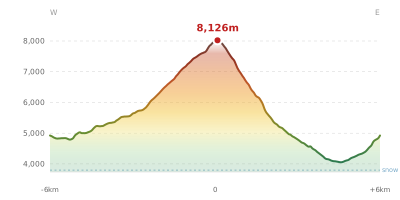
Nanga Parbat via Rupal Face — July 2020 Summit Report
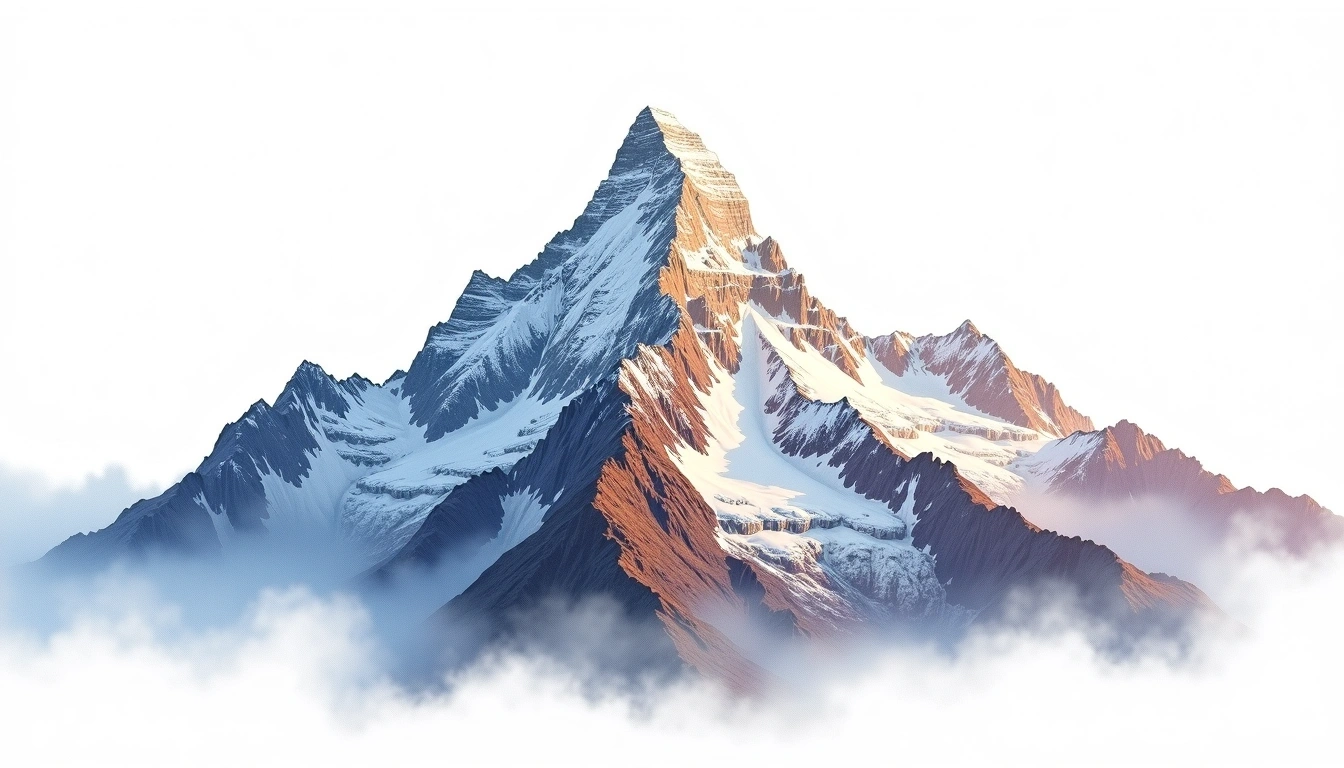
The Rupal Face of Nanga Parbat — the highest rock face on Earth — is one of the most awe-inspiring sights in mountaineering. Our small team of four spent 50 days on this massive wall, establishing camps in precarious positions on narrow ledges. The summit day was a 16-hour push from Camp 4 at 7,400m. COVID-19 restrictions meant we had the mountain entirely to ourselves — a rare privilege on any 8,000er.
Trip Overview
Mountain: Nanga Parbat (8126m) Date: July 15, 2020 Duration: 50 days Party Size: 4 Outcome: Summit
Conditions
Weather: Mixed conditions throughout the expedition. The Rupal Face generated its own weather with afternoon clouds building daily. Summit window opened briefly on July 15 with partial clearing. Snow: Deep snow on the face, avalanche risk constant. The Mazeno Ridge was mostly bare rock. Temperature: -30°C to -8°C Wind: Variable, 20-40 km/h with fierce gusts in the Rupal couloirs
Difficulty Assessment
The Rupal Face is the highest mountain face on Earth at 4,600m. The route requires sustained climbing on 50-60 degree ice and mixed terrain. The isolation of the Rupal side means rescue is essentially impossible above Camp 3.