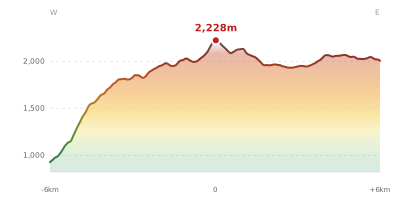
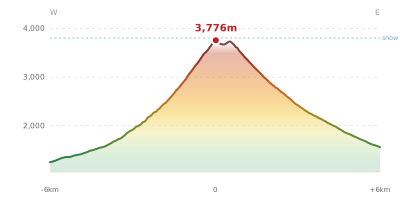
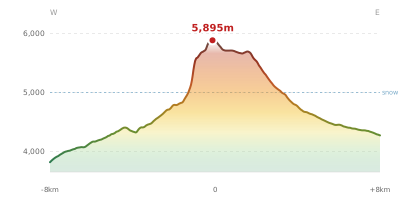
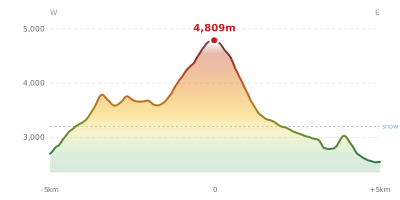
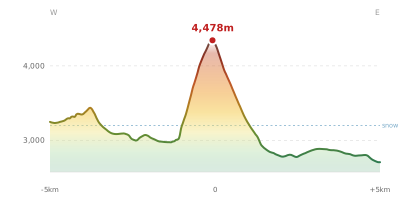
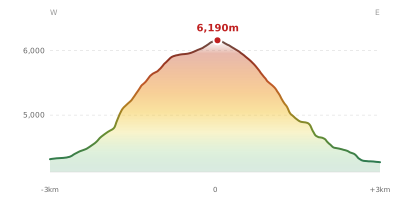
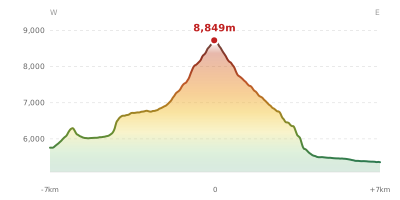
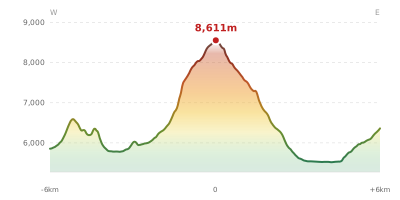
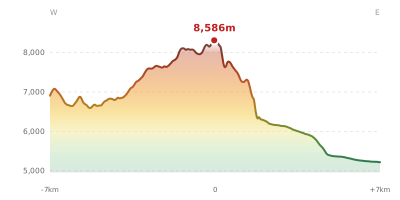
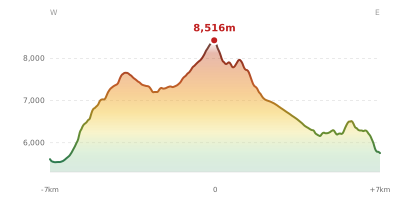
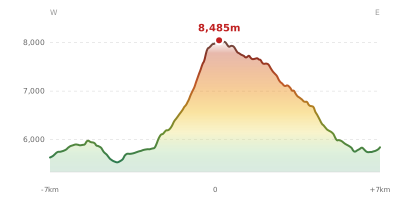
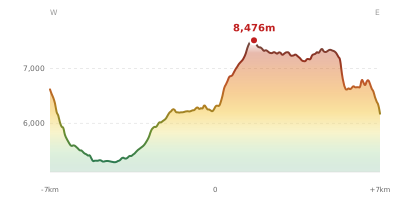
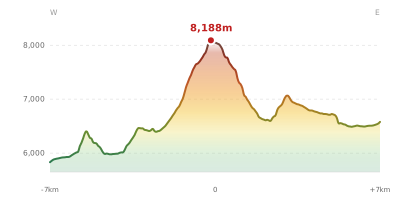
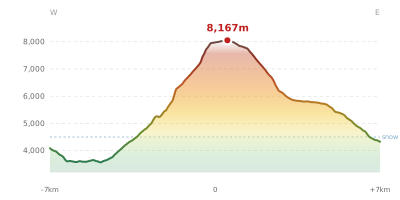
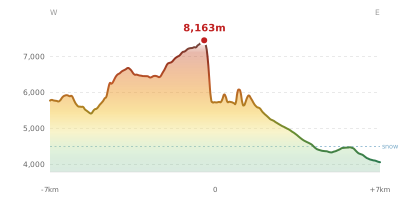
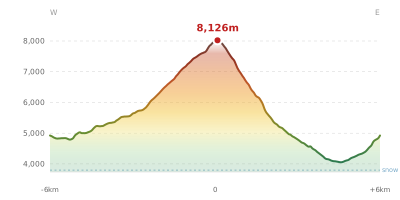
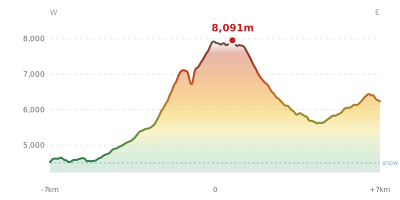
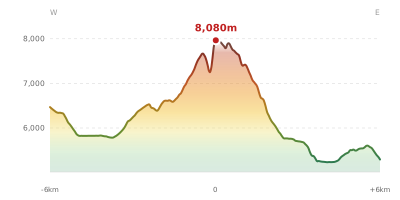
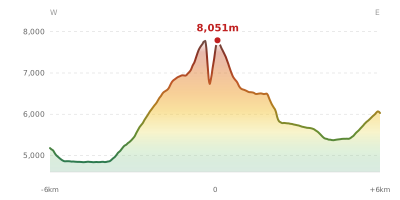
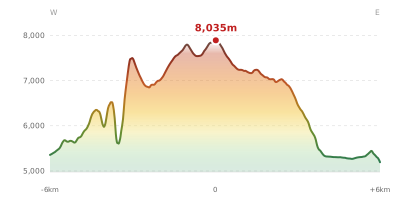
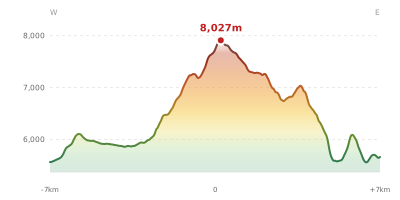
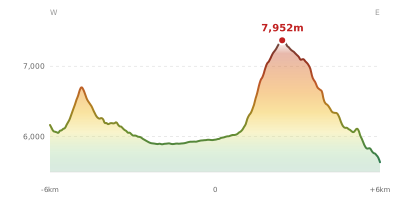
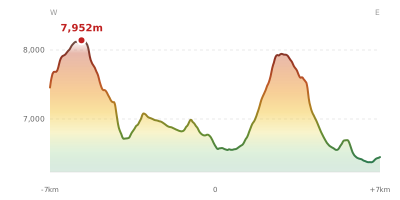
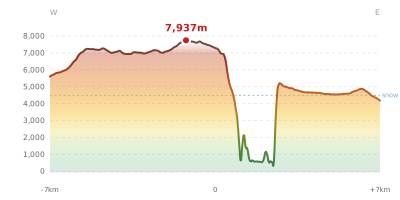
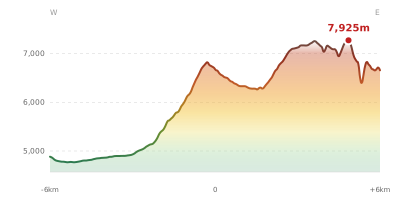
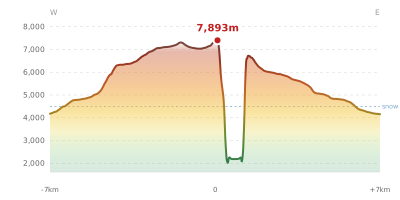
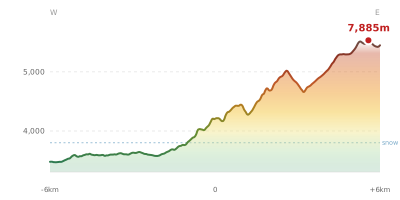
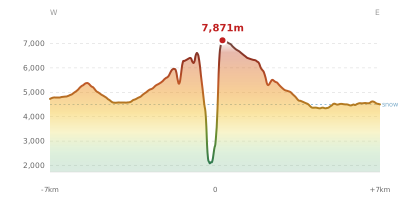
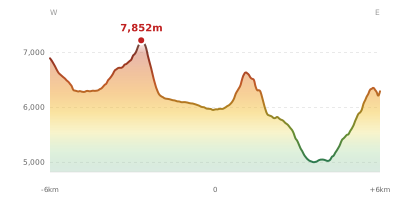
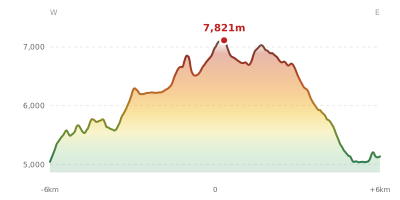
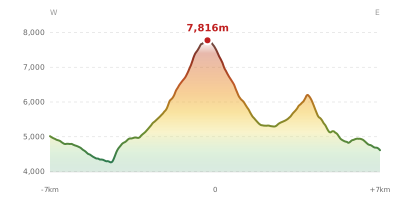
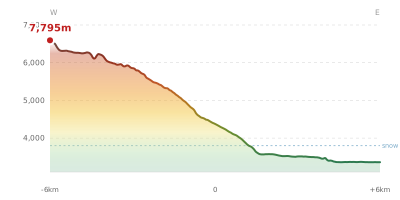
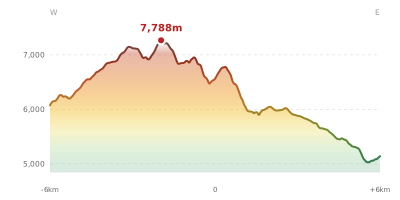
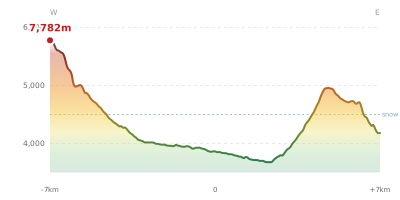
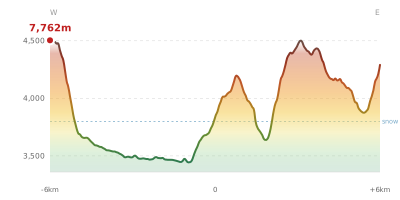
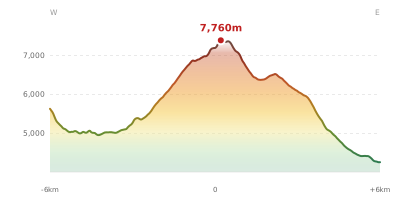
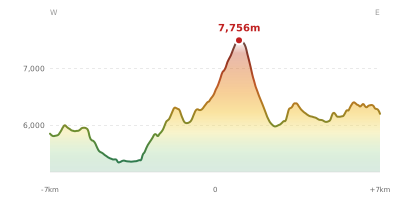
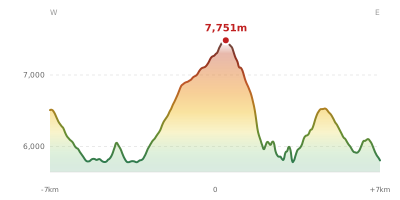
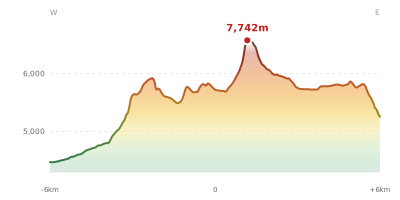
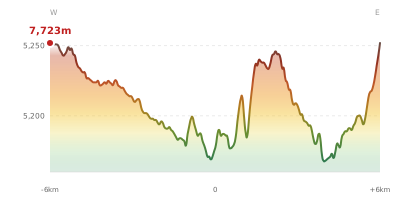
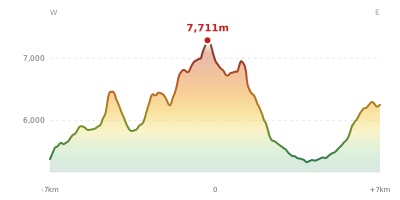
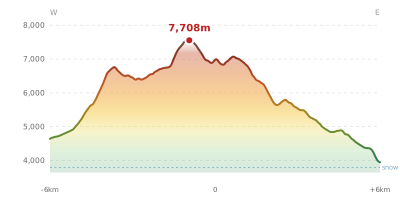
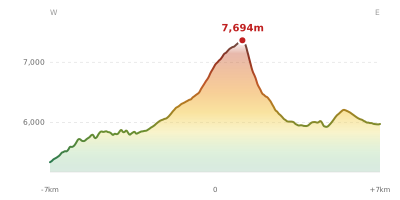
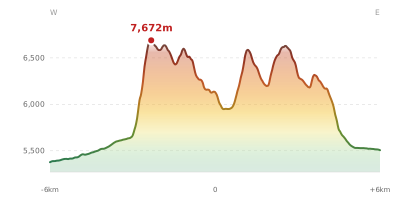
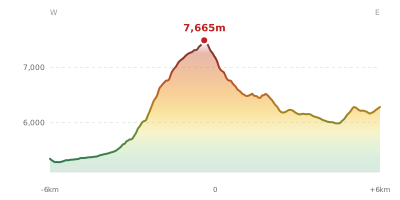
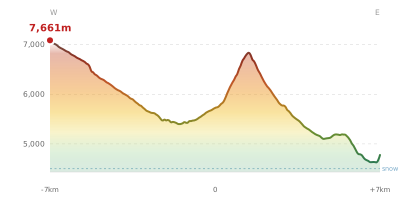
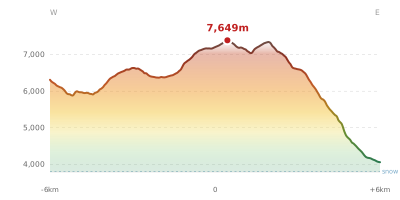
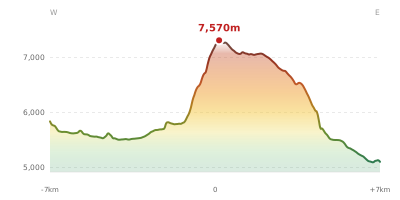
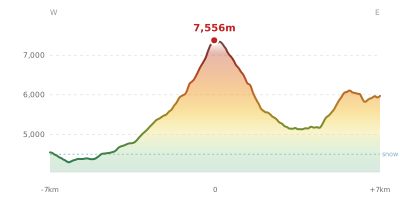
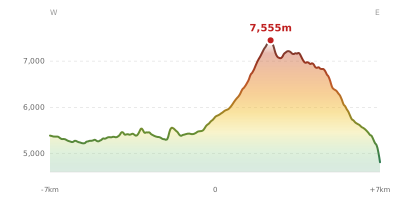
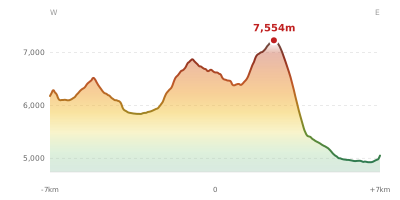
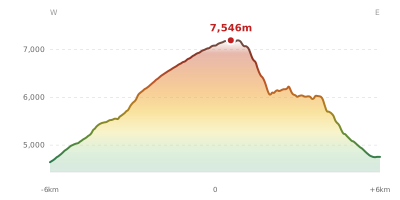
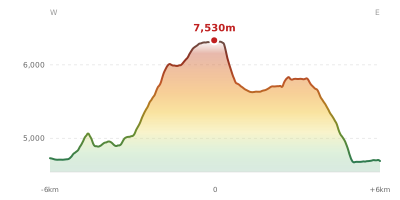
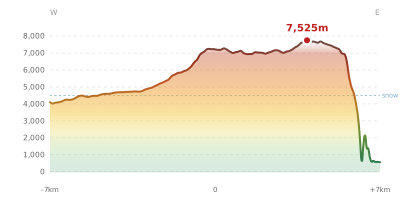
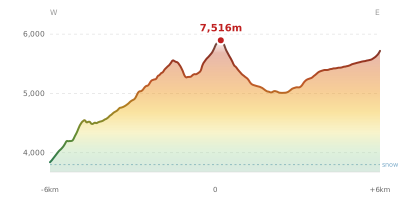
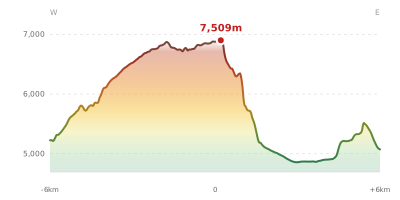
Ten representative mountains for each of MountainFYI's five difficulty grades (1-Easy through 5-Extreme), providing concrete examples of what each grade feels like. Grade 1 includes well-paved trails; Grade 3 includes exposed scrambles; Grade 5 includes extreme altitude and technical climbing …
Peak-bagging is the activity of systematically climbing all peaks on a defined list. Popular challenges include the Seven Summits (highest on each continent), the 14 eight-thousanders (all peaks above 8,000m), the Munros (Scottish peaks above 914m), and many regional lists worldwide.
Completion time varies enormously. Some challenges like the Yorkshire Three Peaks can be done in a single day. The Munros typically take years. The 14 eight-thousanders have been completed by fewer than 50 people, often taking a decade or more of expeditions.
Most challenges are informal and self-reported. Some organizations maintain official registers (e.g., the Scottish Mountaineering Club for Munros). MountainFYI provides the peak lists and information but does not manage completion tracking or verification.
Skills depend on the challenge difficulty. Grade 1-2 challenges need hiking fitness and navigation skills. Grade 3+ challenges require mountaineering training, glacier travel skills, and possibly technical climbing ability. Always assess your skills honestly and get training before attempting peaks beyond your experience level.
Yes. Many challenges are designed for hikers of all levels. Examples include the UK National Three Peaks, the Adirondack 46ers, Japan's 100 Famous Mountains (Hyakumeizan), and various regional highpoint challenges. These typically involve Grade 1-2 peaks with well-maintained trails.