
Mont Blanc (4809m)

3

Mont Blanc stands at 4809 meters in France, part of the Alps, Europe. This peak is classified as a Fold Mountain.
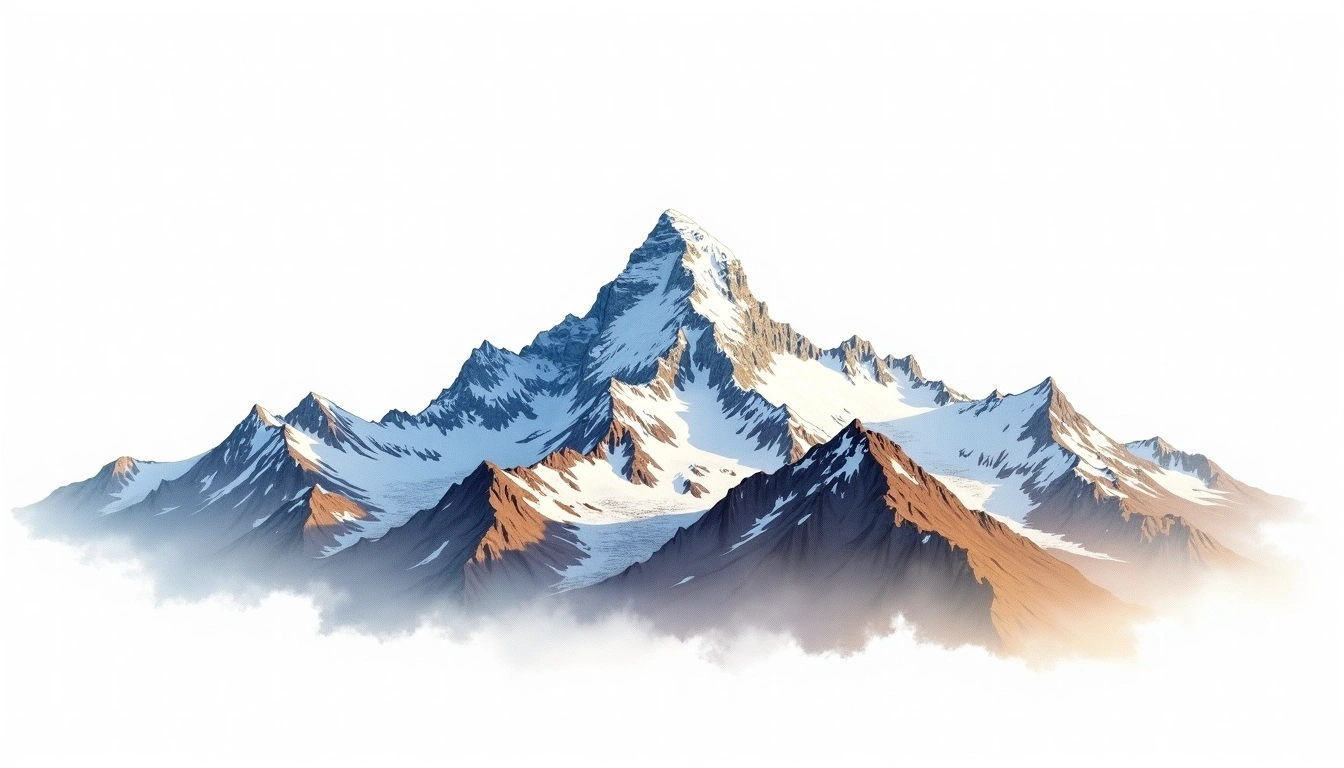
Mont Blanc — 4,809m — France — watercolor illustration
Elevation
4809 m
Prominence
— m
Coordinates
45.832778, 6.865000
Type
fold_mountain

Elevation Comparison

Sea Level 0 m Ben Nevis 1,345 m Mont Blanc 4,808 m Denali 6,190 m Mt. Everest 8,849 m Mont Blanc 4809 m

About This Mountain

Mont Blanc (4809m) is a fold mountain in the Alps, France. Grade 3/5: strenuous climb with technical sections demanding experience. Formed by tectonic compression, it displays layered rock strata typical of fold ranges. Routes involve exposed ridge sections and require careful route-finding.

Routes

Seasonal Conditions

Topographic Analysis

Contour Map
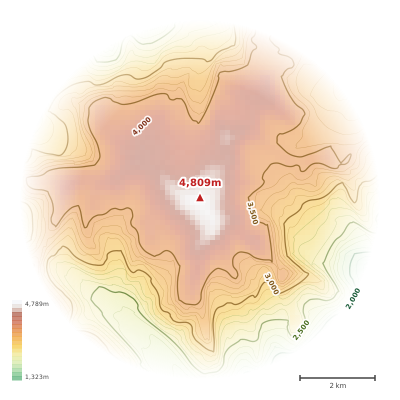
Topographic contour map of Mont Blanc (4809m)

The topographic contour map of Mont Blanc (4809m) in the Alps shows elongated parallel contours following the ridge axis. Contour lines are drawn at 100m intervals, with index contours (thicker lines) every 500m. The hypsometric color scale ranges from green (lower elevations) through yellow and orange to white (highest elevations near the 4,809m summit). Above 3,200m, the estimated snow line at this latitude, contours transition to cooler tones indicating permanent snow and ice.

Elevation Profile
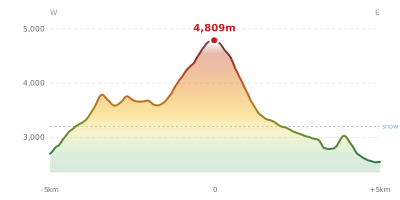
Elevation profile of Mont Blanc (4809m)

The east–west elevation profile of Mont Blanc (4809m) in the Alps shows the terrain cross-section through the summit at 4,809m. The color gradient transitions from green (valley floor) to white (summit zone), with the red summit marker indicating the peak. The dashed blue snow line at 3,200m marks the approximate elevation above which permanent snow persists year-round.

Frequently Asked Questions

Related Guides

How to Choose Your First Mountain: A Beginner's Decision Guide Trail Etiquette: The Unwritten Rules Every Hiker Should Know Mountain Weather 101: How to Read Clouds, Wind, and Forecasts Altitude Sickness Explained: Symptoms, Prevention, and Acclimatization Mountain Camping 101: Setting Up Camp in the Backcountry Mountain Safety: The Complete Guide to Staying Alive on the Trail Leave No Trace: The 7 Principles Every Mountain Hiker Must Follow The Matterhorn Disaster: The Day Triumph Turned to Tragedy in 1865 Women in Mountaineering: Pioneers Who Broke Every Barrier The Golden Age of Alpinism: When the Alps Were the World's Greatest Challenge Mountain Rescue: How Saving Lives on Mountains Evolved Over 200 Years The Future of Mountaineering: What Climbing Looks Like in 2030 and Beyond Best Mountains to Climb in February: Late Winter and Early Prep Season Best Mountains to Climb in March: Spring Shoulder Season Opportunities Best Mountains to Climb in April: The Himalayan Pre-Monsoon Begins Best Mountains to Climb in May: Summit Season on the World's Highest Peaks Best Mountains to Climb in June: Long Days and Summer Starts Best Mountains to Climb in July: Peak Summer Across the Northern Hemisphere Best Mountains to Climb in August: Monsoon Dodging and Summer's Last Push Best Mountains to Climb in September: Autumn Colors and Post-Monsoon Clarity Best Mountains to Climb in November: Winter Approaches and the South Awakens Best Mountains to Climb in December: Holiday Season Adventures Worldwide The Alps: Europe's Crown Jewel Mountain Range Rope Basics for Mountaineering: Types, Knots, and Essential Techniques Ice Axe Self-Arrest: The Technique That Saves Lives on Snow Slopes Glacier Travel: How to Cross Glaciers Safely as a Rope Team Crevasse Rescue: How to Rescue a Fallen Climber from a Glacier Crevasse Avalanche Safety: Understanding, Avoiding, and Surviving Snow Avalanches Winter Mountaineering: Skills, Gear, and Mindset for Cold-Season Climbing Mountain Lightning Safety: How to Survive Thunderstorms Above the Treeline Ultralight Mountain Packing: Cutting Weight Without Cutting Safety Multi-Day Mountain Food Planning: Nutrition Strategy for Extended Treks Emergency Bivouac: How to Survive an Unplanned Night on the Mountain Mountain First Aid: The Skills and Kit Every Mountain Traveler Needs Hiking Boots Guide: How to Choose the Right Boots for Any Mountain Hiking Backpack Guide: From Day Packs to Expedition Haulers Sleeping Bag Guide: Temperature Ratings, Fill Types, and Selection Mountain Tent Guide: 3-Season, 4-Season, and Ultralight Shelters Compared Mountain Rain Gear Guide: Waterproof Jackets, Pants, and Layering Strategy Base Layer Guide: Merino Wool vs. Synthetic for Mountain Hiking Crampons and Ice Axes: The Essential Guide to Snow and Ice Gear Mountain Navigation Devices: GPS Handhelds, Watches, and Compass Compared Water Purification for Hikers: Filters, UV, Chemical, and Boiling Compared Headlamp Guide: Lumens, Battery Life, and Features for Mountain Use Mountain Cooking Systems: Stoves, Pots, and Kitchen Gear Compared The Complete Layering System: How to Dress for Any Mountain Weather Mountaineering Boots Guide: B1, B2, and B3 Ratings Explained Technical Climbing Gear Guide: Harness, Helmet, Carabiners, and Protection