본문으로 건너뛰기

Denali (6190m)

4

Denali은(는) United States에 위치하며 해발 6190 m입니다, North America. 이 봉우리는 Fold Mountain으로 분류됩니다.
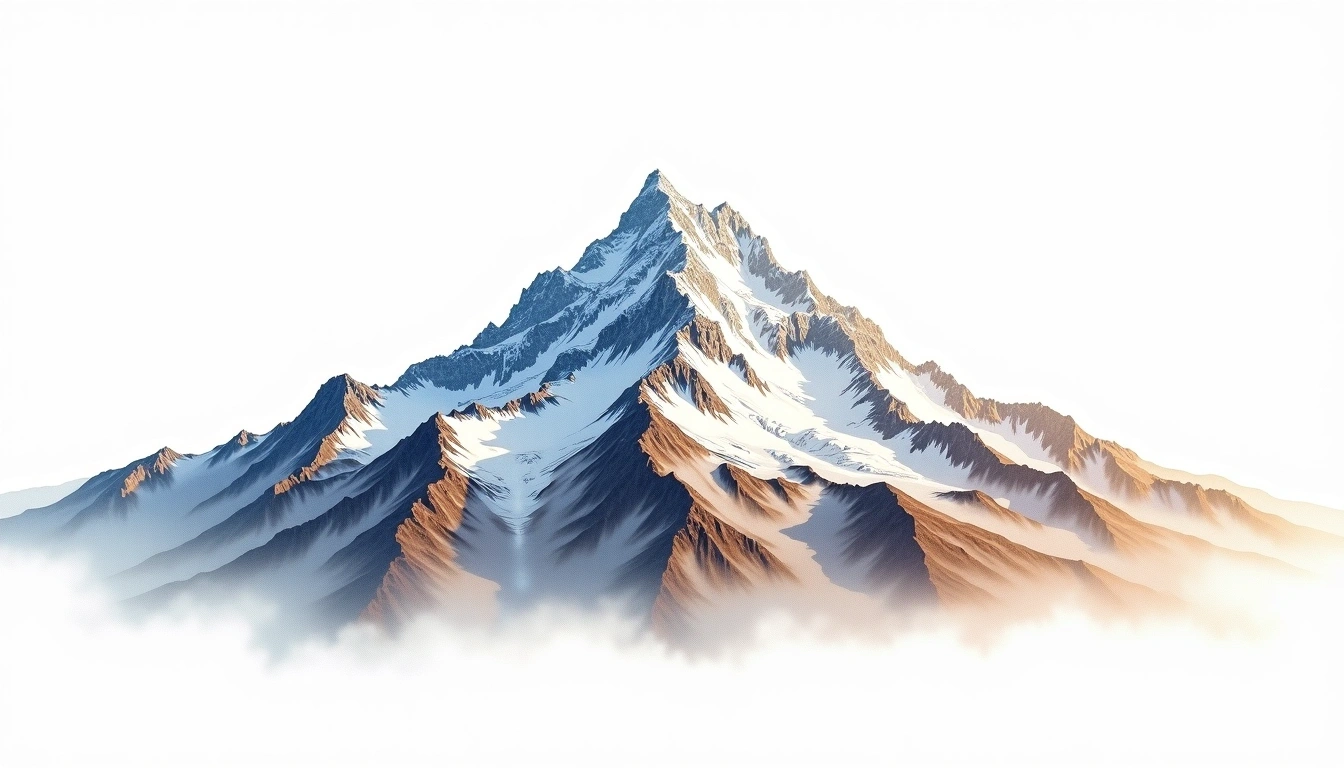
Denali — 6,190m — United States — watercolor illustration
해발 고도
6190 m
독립 높이
— m
좌표
63.069000, -151.007000
유형
fold_mountain

해발 고도 비교

해수면 0 m Ben Nevis 1,345 m Mont Blanc 4,808 m Denali 6,190 m Mt. Everest 8,849 m Denali 6190 m
세계 7대륙 최고봉

이 산에 대하여

Denali (6190m) is a fold mountain in United States, United States. Grade 4/5: technical ascent requiring mountaineering skills and equipment. Formed by tectonic compression, it displays layered rock strata typical of fold ranges.

등산로

계절별 등반 조건

지형 분석

등고선 지도
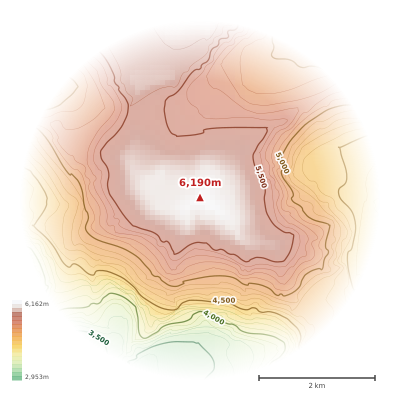
Topographic contour map of Denali (6190m)

The topographic contour map of Denali (6190m) shows elongated parallel contours following the ridge axis. Contour lines are drawn at 100m intervals, with index contours (thicker lines) every 500m. The hypsometric color scale ranges from green (lower elevations) through yellow and orange to white (highest elevations near the 6,190m summit). Above 1,500m, the estimated snow line at this latitude, contours transition to cooler tones indicating permanent snow and ice.

고도 프로필
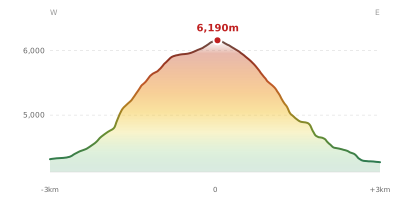
Elevation profile of Denali (6190m)

The east–west elevation profile of Denali (6190m) shows the terrain cross-section through the summit at 6,190m. The color gradient transitions from green (valley floor) to white (summit zone), with the red summit marker indicating the peak. The dashed blue snow line at 1,500m marks the approximate elevation above which permanent snow persists year-round.

Frequently Asked Questions

관련 가이드

Mountain Weather 101: How to Read Clouds, Wind, and Forecasts Altitude Sickness Explained: Symptoms, Prevention, and Acclimatization Mountain Camping 101: Setting Up Camp in the Backcountry Trail Nutrition and Hydration: What to Eat and Drink on the Mountain Mountain Safety: The Complete Guide to Staying Alive on the Trail Leave No Trace: The 7 Principles Every Mountain Hiker Must Follow The Seven Summits: The Race to Climb the Highest Peak on Every Continent Japan's Mountaineering Golden Age: From Manaslu to the Poles Mountain Rescue: How Saving Lives on Mountains Evolved Over 200 Years The Future of Mountaineering: What Climbing Looks Like in 2030 and Beyond Best Mountains to Climb in May: Summit Season on the World's Highest Peaks Best Mountains to Climb in June: Long Days and Summer Starts Best Mountains to Climb in August: Monsoon Dodging and Summer's Last Push Ice Axe Self-Arrest: The Technique That Saves Lives on Snow Slopes Glacier Travel: How to Cross Glaciers Safely as a Rope Team Crevasse Rescue: How to Rescue a Fallen Climber from a Glacier Crevasse Avalanche Safety: Understanding, Avoiding, and Surviving Snow Avalanches Mountain River Crossings: How to Cross Safely Without Getting Swept Away Altitude Medicine: The Climber's Guide to Health Above 3,000 Meters Bear Country Hiking: How to Hike Safely Where Bears Live Multi-Day Mountain Food Planning: Nutrition Strategy for Extended Treks Emergency Bivouac: How to Survive an Unplanned Night on the Mountain Mountain First Aid: The Skills and Kit Every Mountain Traveler Needs Sleeping Bag Guide: Temperature Ratings, Fill Types, and Selection Mountain Tent Guide: 3-Season, 4-Season, and Ultralight Shelters Compared Crampons and Ice Axes: The Essential Guide to Snow and Ice Gear Mountain Navigation Devices: GPS Handhelds, Watches, and Compass Compared Water Purification for Hikers: Filters, UV, Chemical, and Boiling Compared Mountain Cooking Systems: Stoves, Pots, and Kitchen Gear Compared The Complete Layering System: How to Dress for Any Mountain Weather Mountaineering Boots Guide: B1, B2, and B3 Ratings Explained